
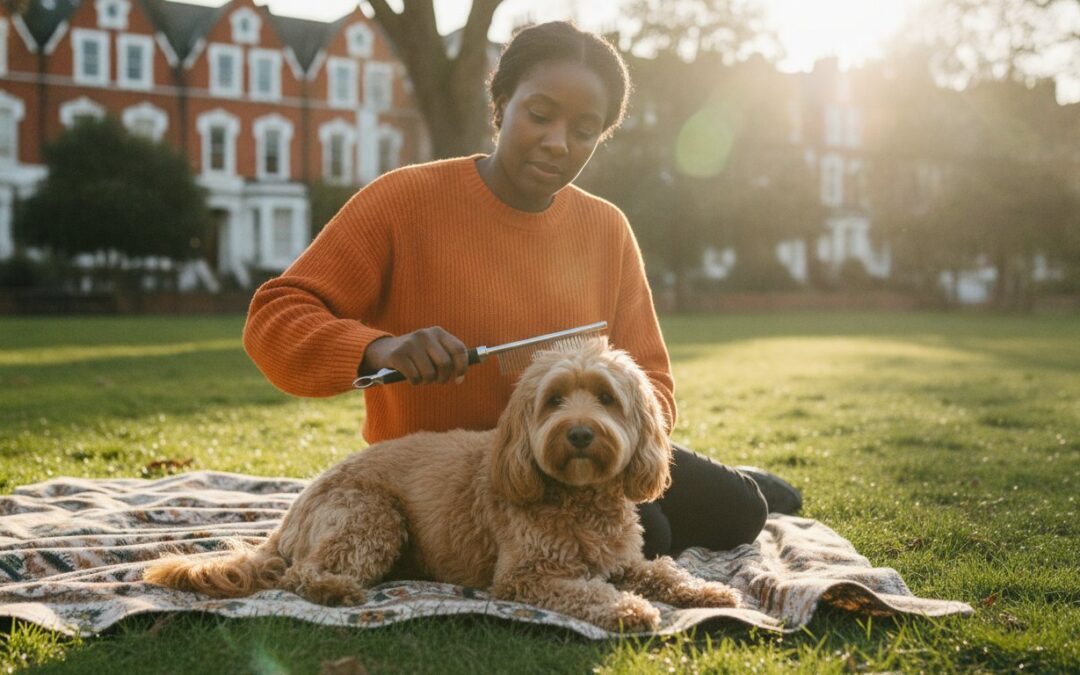
Imagine the sinking feeling when your groomer gently explains that your dog’s coat has become too matted to save, necessitating a complete shave-down. It’s a common moment of guilt for many owners who truly care about their pet’s comfort but struggle with the daily upkeep. Learning how to maintain dog’s coat between grooms isn’t just about aesthetics; it’s about the emotional and physical well-being of your companion. You want the best for your dog, and it’s frustrating when they resist the brush or when you’re unsure which tool is right for their specific coat type.
Professional de-matting services often add extra fees to your appointment, yet the real cost is the stress your dog feels during the process. You’ll discover professional-grade techniques and gentle home care routines to keep your dog’s coat healthy, tangle-free, and beautiful between grooming appointments. This guide explores the logic behind specific brushing methods, how to select the right equipment for your dog’s unique needs, and ways to build a cooperative routine. By focusing on your dog’s perspective and emotional comfort, you can transform a stressful task into a manageable, rewarding part of your shared life.
Key Takeaways
- Understand how consistent coat care prevents physical discomfort like skin tension and restricted movement for your dog.
- Master the use of professional tools, including the metal ‘truth teller’ comb, to learn exactly how to maintain dog’s coat between grooms.
- Identify specific hygiene hotspots, such as paws and sanitary areas, that require extra attention to manage urban grit and prevent irritation.
- Implement the ‘Two-Minute Rule’ and positive reinforcement to transform grooming into a calm, cooperative ritual for your companion.
- Discover how your home efforts create a partnership with your mobile groomer, allowing for a more premium and comfortable finish.
The Importance of Coat Maintenance: More Than Just Good Looks
Viewing coat maintenance as a mere aesthetic choice overlooks its fundamental role in your dog’s physical health and emotional stability. When you establish a consistent routine, you aren’t just tidying fur; you’re engaging in a vital health ritual that strengthens the bond between you and your companion. This daily interaction allows you to understand your dog’s body language and comfort levels, turning a potentially stressful task into a predictable, reassuring experience. Learning how to maintain dog’s coat between grooms is the most effective way to ensure your pet remains comfortable in their own skin.
The physiological consequences of neglect go far beyond messy hair. Matting is a serious welfare concern because as knots tighten, they pull directly on the skin, causing constant tension and discomfort. In severe cases, these mats can restrict a dog’s natural movement or trap moisture against the skin, creating a breeding ground for bacterial infections and hot spots. Many owners inadvertently practice “surface brushing,” where the top layer looks smooth while dense mats form close to the skin. True maintenance requires reaching the base of the hair to ensure air can circulate and the skin can breathe. Dog grooming is a multifaceted discipline that prioritises this underlying health as much as the final silhouette.
Why Professional Groomers Value Your Home Efforts
When you maintain the coat at home, you change the entire dynamic of the professional appointment. Instead of the groomer spending hours performing the uncomfortable task of de-matting, they can focus on the artistry of a precision style. This partnership prevents the need for “clipping short,” a common outcome when mats are too close to the skin to be safely brushed out. Your daily checks also serve as a frontline defense for early detection. By running your hands and brushes over your dog regularly, you’ll notice new lumps, skin irritations, or parasites long before they become significant medical issues.
Understanding Your Dog’s Unique Coat Cycle
Every breed follows a distinct biological rhythm that dictates their grooming needs. Double-coated breeds like Huskies or Shepherds experience intense seasonal shed cycles where the undercoat must be systematically removed to prevent impaction. Conversely, curly-coated breeds like Poodles or Doodles have hair that grows continuously, making them highly susceptible to tangles if not brushed daily. For these high-maintenance coats, booking a Bath & Brush session between full grooms is a strategic way to keep the hair manageable and the skin healthy without needing a full haircut every time.
Mastering the Brush: Tools and Techniques for Every Coat Type
Equipping yourself with the correct toolkit is the first step in moving beyond basic brushing and toward professional-level maintenance. While a standard brush might tidy the top layer, true coat health requires tools that reach the skin without causing irritation. Your essential kit should include a high-quality slicker brush for removing loose fur, a greyhound comb for checking your work, and an undercoat rake if you share your home with a double-coated breed. Using these tools correctly is the secret to how to maintain dog’s coat between grooms while ensuring your pet remains relaxed throughout the process.
The metal greyhound comb is often called the “truth teller” in the grooming world. While a slicker brush might glide over the surface, the comb will snag on any hidden tangles or developing mats near the skin. To protect the hair shaft from breakage during this process, always apply a light mist of detangling spray. This provides “slip,” reducing friction and preventing the static that often leads to further knotting. Following ASPCA’s grooming tips, it’s vital to resolve these tangles before any home bathing, as water acts like a glue that tightens existing knots into unmanageable mats.
To truly prevent deep matting, you must master the “Line Brushing” technique. This involves using one hand to pull the hair upward, exposing a “line” of skin, while the other hand brushes small sections of hair downward from that line. This methodical approach ensures you are working from the root to the tip, rather than just skimming the surface. If you feel overwhelmed by the state of your dog’s coat, booking a Full Groom can provide a necessary reset, allowing you to start your home maintenance routine with a perfectly clear canvas.
Technique: How to Brush Without Pulling
Always begin your session at the extremities, such as the paws or the tail, and work your way toward the body. This allows your dog to settle into the sensation before you move to more sensitive areas. When you encounter a small knot, use your fingers to pinch the hair at the root, which prevents the brush from tugging directly on the skin. For delicate areas like the belly or behind the ears, use a “pat and pull” motion; gently pat the pins of the brush into the hair and pull away softly rather than using long, sweeping strokes.
Choosing Tools Based on Breed and Texture
Selecting tools is a bespoke process. Puppies and thin-skinned breeds require soft-pin slickers to avoid “brush burn,” which is a painful skin irritation caused by over-brushing. Double-coated breeds that “blow” their coat seasonally benefit from undercoat rakes designed to pull out dead hair without cutting the healthy topcoat. It’s a common mistake to use human hairbrushes; however, these lack the pin density and length required to penetrate a canine’s multi-layered coat. Using the wrong tool often results in the very mats you are trying to avoid.
Focusing on the Details: Paws, Ears, and Urban Hygiene
Living in a city like London requires a specific approach to hygiene that goes beyond a simple weekly brush. The “urban dog” challenge involves managing environmental factors like road salt, pavement grit, and the persistent mud found in local greenspaces. These elements don’t just sit on the surface; they can migrate into the paw pads or accumulate in the sanitary areas, causing irritation or infection if left unchecked. A crucial part of learning how to maintain dog’s coat between grooms involves focusing on these high-traffic zones that a standard brush might miss.
Sanitary maintenance is particularly important for long-haired breeds to prevent hygiene-related discomfort. Regularly checking the area around the tail and belly ensures that waste doesn’t become trapped in the fur, which can lead to skin inflammation. Similarly, ear care should be a weekly habit. Gently wiping the outer ear with a damp cloth helps you monitor for debris or unusual odours. Eye hygiene is equally vital; using a soft, lint-free cloth to remove daily “sleep” prevents tear staining and keeps the surrounding skin healthy. This consistent attention to detail ensures your dog feels comfortable and clean between their professional appointments.
Paw Care for London Walkers
London’s diverse terrain, from concrete pavements to the wilder reaches of North West London parks, demands vigilant paw care. Grass seeds are a significant seasonal hazard, often burrowing into the soft skin between toes or becoming entangled in matted fur. After every walk, check for these stowaways and remove any trapped grit or fox mess. Thoroughly drying the paws after wet weather is essential, as damp fur between the pads can lead to fungal growth. In winter, applying a protective paw balm creates a barrier against the corrosive effects of road salt and freezing temperatures.
The Dangers of Home Bathing Without Brushing
It’s a common misconception that a quick bath is the easiest way to manage a dirty coat. However, water acts like a glue for existing tangles, causing them to shrink and tighten into solid mats as the hair dries. This makes the eventual professional groom much more difficult for your dog. A comprehensive home grooming guide will always emphasise that a full brush-out is mandatory both before and after the bath. Always use a dog-specific, pH-balanced shampoo. Human products are too acidic for canine skin and can strip away the natural oils that protect the hair shaft. Knowing how to maintain dog’s coat between grooms means understanding that a clean dog must also be a tangle-free dog.

Building Trust: How to Make Home Grooming a Stress-Free Ritual
Building a foundation of trust is the most overlooked element of coat maintenance. Many owners focus solely on the physical removal of knots, but the psychological state of your dog determines the success of every session. By using positive reinforcement, you can shift your dog’s perception of the brush from a source of stress to a predictor of rewards. This mental shift is a critical component of learning how to maintain dog’s coat between grooms effectively while preserving your dog’s emotional welfare.
The “Two-Minute Rule” is a simple yet powerful strategy for busy owners. Instead of attempting a full-body brush-out that exhausts your dog’s patience, keep sessions brief and frequent. Stop while your dog is still relaxed and successful. This prevents them from reaching their “threshold,” which is the specific point where they feel the need to pull away or resist. When your dog learns that they can trust you to respect their boundaries, they become much more cooperative during their time in the mobile grooming van, where a calm temperament allows for a safer and more thorough service.
Step-by-Step Desensitisation to Brushing
Introducing a slicker brush or metal comb should be a gradual process. Let your dog sniff the tool and reward them for curiosity before you ever touch their fur. Use lick mats with high-value rewards like peanut butter or plain yoghurt to create a positive distraction. This “passive” grooming allows you to work on tangles while your dog is focused on a rewarding task. Regularly handling paws and ears outside of grooming sessions, such as during quiet cuddle time, builds a tolerance for the specific touches required during a professional groom.
The Role of Professional Training in Grooming
Foundational puppy training provides the perfect opportunity to socialise your pet to the sensations of water, vibrations, and handling. If you share your life with an adult dog who has developed a phobia of the brush, a “cooperative care” model can help. This approach gives your dog a sense of agency, allowing them to opt-in to the process. When a dog feels they have a choice, their anxiety levels drop significantly, making the home routine manageable for everyone involved. If your dog’s resistance feels like an insurmountable hurdle, seeking professional guidance through Behavioural Consultations can transform your home routine into a bonding experience.
The Mobile Grooming Advantage: Partnership in Care
Choosing a mobile service isn’t just about convenience; it’s about continuity of care in a familiar environment. When you master how to maintain dog’s coat between grooms, you’re doing more than just preventing mats. You’re creating a seamless transition from your home routine to the professional session. Mobile grooming provides a calm, one-on-one space that eliminates the stressors often found in traditional salons, such as the barking of other dogs or the use of holding cages. This quiet atmosphere allows your dog to remain in a “grooming-ready” mindset, building on the trust you’ve already established during your two-minute home sessions.
Your efforts at home directly influence the level of finish we can achieve. When a coat is well-maintained and free of deep tangles, our groomers can focus on the technical aspects of the style rather than the time-consuming process of corrective de-matting. This partnership ensures that every Full Groom results in a premium, bespoke look that reflects your dog’s personality. Interspersing these major appointments with Bath & Brush sessions is a strategic way to manage the coat’s health year-round, especially during the muddy months in London and Hertfordshire.
Bespoke Care in North London and Hertfordshire
Every dog is an individual with unique emotional needs and physical requirements. Our approach prioritises the dog’s perspective, ensuring that every session is handled with patience and respect. We utilise ethical, non-coercive methods that align with modern welfare standards, making the grooming process a positive experience for your companion. For busy residents, our mobile dog grooming Watford service provides a high-end solution that saves you the time and stress of travel. This doorstep service allows us to tailor the environment to your dog’s specific temperament, providing a level of attentive care that generic models simply cannot match.
Booking Your Next Session with H&H Dog
Consistency is the key to a healthy coat and a happy dog. For most breeds, a professional visit every 4 to 6 weeks is the ideal frequency to prevent the coat from becoming unmanageable. To prepare for our arrival, we recommend creating a calm environment at home and taking your dog for a quick walk to ensure they are relaxed and ready. This simple preparation, combined with your knowledge of how to maintain dog’s coat between grooms, sets the stage for a successful and stress-free appointment. We invite you to consult with our experts for a personalised maintenance plan tailored to your dog’s unique coat and lifestyle.
Cultivating a Lifetime of Comfort and Style
Establishing a consistent home routine is the most compassionate gift you can give your companion. By mastering how to maintain dog’s coat between grooms, you’ve moved beyond simple aesthetics to prioritise your pet’s physical comfort and emotional security. You now understand that using the right tools, such as the metal “truth teller” comb, and implementing the Two-Minute Rule can transform a chore into a bonding ritual. These small, daily efforts prevent the physical pain of matting and ensure your dog remains relaxed during their professional appointments.
At H&H Dog, we bring over 20 years of professional experience directly to your doorstep. Our unique expertise in both grooming and dog behaviour ensures that every session in our mobile van is supportive, ethical, and stress-free. Whether you’re in Watford or North London, we’re here to provide the premium, bespoke care your dog deserves. Book a stress-free mobile grooming session with H&H Dog today and let us help you maintain your dog’s health and beauty. You’ve taken the first step toward a happier, more comfortable dog; we’re ready to guide you the rest of the way.
Frequently Asked Questions
How often should I brush my dog between professional grooming appointments?
You should aim to brush your dog daily or at least three to four times a week depending on their coat length and texture. High-maintenance breeds like Poodles or Doodles require daily attention to prevent the formation of small knots. Establishing a consistent routine makes the process predictable for your dog. This frequency is the foundation of how to maintain dog’s coat between grooms without causing them stress or physical discomfort.
What should I do if I find a mat that I can’t brush out?
You should stop immediately if a mat is too tight to brush through comfortably. Forcing a brush through a dense knot causes pain and may lead to skin tears or “brush burn.” Instead, apply a small amount of cornstarch or a professional detangling spray to the area to provide slip. If the mat remains solid, leave it for your professional groomer to address safely during your next session to avoid damaging the skin.
Can I use human shampoo on my dog if they get muddy in the park?
You should avoid using human shampoo on your dog because the pH levels of canine skin are significantly different from ours. Human skin is more acidic, while a dog’s skin is more neutral. Using our products can strip away their natural protective oils and lead to irritation or dryness. Always opt for a dog-specific, pH-balanced shampoo to ensure their skin barrier remains healthy and functional after a muddy walk.
My dog hates being brushed; how can I make it easier for them?
You can make the process easier by using high-value rewards and keeping sessions extremely short. Introduce the brush as a predictor of something wonderful, like a lick mat filled with peanut butter. Focus on one small area at a time rather than trying to finish the whole body. If they pull away, respect their boundary and try again later. This cooperative approach builds trust and reduces the anxiety associated with handling.
Is it okay to cut out mats with scissors at home?
You should never use scissors to cut out mats at home. A dog’s skin is incredibly thin and can easily be pulled into the base of a knot without you realising it. This often results in accidental cuts that require veterinary attention. If a mat is too close to the skin to be brushed out, it’s safer to let a professional use specialised clippers to remove it safely without risking injury.
How often do dogs in London need their paws checked for grit or seeds?
You should check your dog’s paws after every single walk, especially when navigating city pavements or local parks. London’s urban environment presents unique hazards like road salt in winter and grass seeds in summer. Removing these irritants immediately prevents them from becoming embedded in the skin or causing painful infections. A quick wipe and inspection of the pads ensures your dog stays comfortable and mobile throughout the changing seasons.
Why does my dog’s hair seem to mat more in the winter months?
Your dog’s coat often mats more in winter due to the combination of moisture and friction. Damp fur from rain or snow is more prone to tangling as it dries. Additionally, winter jumpers and harnesses create constant friction against the fur, particularly around the chest and armpits. Understanding how to maintain dog’s coat between grooms during cold weather involves drying them thoroughly after walks and brushing out areas where clothing has rubbed.
What are the best tools for maintaining a Doodle or Poodle coat at home?
You will achieve the best results by using a high-quality slicker brush paired with a metal greyhound comb. The slicker brush removes loose fur and debris from the top layers, while the comb acts as a “truth teller” to find knots near the skin. For these curly coats, using a detangling spray is essential to prevent hair breakage. This two-step process ensures you reach the root of the hair rather than just surface brushing.