
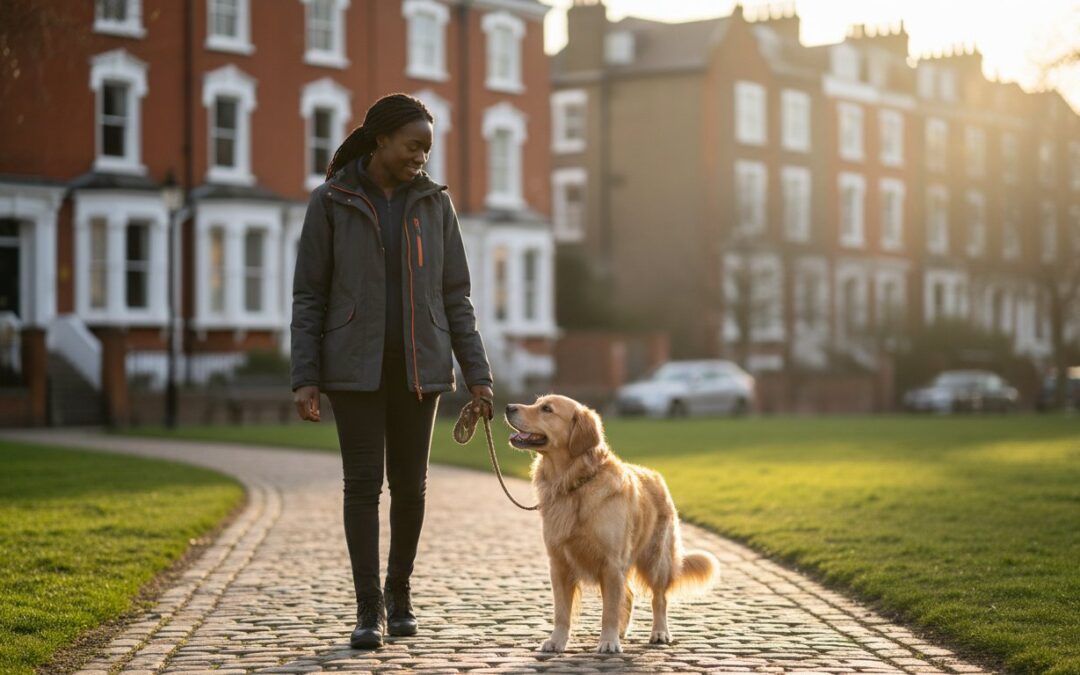
What if your dog’s frantic tail wag at the door has very little to do with the walk itself? While it’s easy to assume they’re simply reacting to the prospect of a trip to the park, the true depth of their bond often lies in subtle social referencing. This is the moment your dog looks to their walker for guidance or reassurance, proving they value the partnership more than the destination.
You likely feel a pang of guilt as you close the front door each morning, wondering if your dog is truly happy or just passing the time. It’s natural to worry whether the relationship they share with their professional carer is meaningful or merely functional. By learning to interpret specific signs your dog loves their walker, you can replace that workday anxiety with genuine peace of mind. You’ll discover how to decode the body language and behavioural cues that signal a secure, respectful connection. This guide explores seven clear indicators, from relaxed physical contact to focused eye communication, that confirm your dog has found a trusted mentor in their walker.
Key Takeaways
- Identify the difference between a functional greeting and a “wiggle-butt” arrival ritual that signals genuine emotional anticipation.
- Recognise the subtle signs your dog loves their walker, such as social referencing and frequent “check-ins” while they are out on the lead.
- Learn to differentiate between healthy post-walk relaxation and the stress-induced “zoomies” that can follow an overstimulating session.
- Spot critical red flags like avoidance or “pancaking” at the door to ensure your pet care choice aligns with your dog’s emotional welfare.
- Understand why an enrichment-focused approach creates a deeper, more secure bond than a standard exercise-only walk.
The ‘Arrival Ritual’: Signs of Anticipatory Joy
The moment your walker arrives at the front door is perhaps the most revealing window into your dog’s emotional state. While many owners focus on the walk itself, the transition from home to the outdoors is where the Human-canine bond is most visible. A dog who has formed a genuine connection won’t just react to the sight of a lead; they will react specifically to the presence of their walker. This anticipation often starts long before the door opens. Dogs are masters of auditory patterns. They quickly learn to distinguish the unique sound of their walker’s van, the jingle of their specific keys, or even the rhythm of their footsteps on the path. If your dog perks up and moves toward the door with an expectant, relaxed energy at these specific sounds, it’s a clear indicator of positive association.
One of the most reliable signs your dog loves their walker is the “wiggle-butt” greeting. This is fundamentally different from a simple, rhythmic tail flick. A full-body wag that starts at the shoulders and moves through the hips suggests a high level of comfort and social excitement. When the spine curves into a “C” shape, your dog is communicating that they feel safe and eager to engage. Vocalisations also play a role here. You’re looking for short, high-pitched “happy yips” rather than the repetitive, frantic barking associated with territorial guarding or separation anxiety. A happy dog’s bark is often accompanied by an open mouth and a “play bow” posture, signalling that they view the walker as a trusted friend and playmate.
Soft vs. Stiff Body Language at the Door
Observe your dog’s physical form during the handoff. A dog who trusts their walker will exhibit “curvy” body shapes and loose, fluid movements. Their muscles will appear soft, and their eyes will be relaxed rather than fixed in a hard stare. In contrast, a stiff, upright posture with a high, vibrating tail often indicates tension or a lack of familiarity. Relaxed canine posture is a primary sign of safety and trust, showing that your dog views the walker as a supportive partner rather than a source of stress.
The ‘Toy Offering’ Phenomenon
Does your dog rush to find a favourite toy the moment the walker appears? This behaviour is a sophisticated sign of social trust and inclusion. By bringing an object to the walker, the dog is initiating a social ritual and inviting the person into their personal world. This is distinct from resource guarding, where a dog might hover over an item to keep it away. A “gift” offering shows the dog is comfortable sharing their most valued items with their walker, further cementing the strength of their individual bond.
Social Referencing: The Invisible Lead of Trust
A walk is far more than a physical outlet for energy. It’s a complex social experience where your dog constantly processes environmental data. One of the most significant signs your dog loves their walker is social referencing. This occurs when your dog pauses to look back at the walker, checking in, essentially, to gauge their reaction to a passing cyclist or a sudden noise. This glance isn’t just a request for a treat. It’s a profound display of trust, showing that your dog views their walker as a reliable guide in a busy world.
In high-stimulation areas like North London parks, the frequency of this eye contact is a key metric of a secure bond. A dog that feels indifferent or stressed by their handler will often become hyper-fixated on the environment, ignoring the person at the other end of the lead. Conversely, a dog that values the partnership will offer frequent, soft glances. They aren’t just walking; they’re navigating the space together. This level of communication ensures the dog remains mentally engaged, even when the world around them becomes chaotic.
Proximity is another telling factor. Observe whether your dog chooses to walk near the walker even when they have the freedom of a long lead. A dog that genuinely enjoys the company will often stay within a comfortable social zone rather than constantly straining to reach the furthest point. They respond to the walker’s voice with a relaxed ear position and a quick response, even amidst the distractions of a squirrel or another dog. This shows they find the walker’s presence more reinforcing than the external environment.
Building Connection in Busy London Environments
Maintaining focus on crowded streets near Watford or North West London requires a specific set of skills. Professional walkers use positive reinforcement to create a safety bubble around the dog, ensuring they feel supported rather than overwhelmed. By rewarding voluntary check-ins, the walker reinforces the idea that the human is the most interesting and safe element of the walk. You can learn more about how experts manage these urban challenges in our guide to professional dog walking.
Loose Lead Walking as a Sign of Partnership
A loose lead is often the physical manifestation of a mental connection. It suggests the dog is walking with the person, not just being moved from one location to another. When a dog pulls incessantly, it often indicates a lack of communication or a feeling that they must navigate the world alone. A dog that loves their walker understands the rhythm of the partnership, leading to a fluid, stress-free experience for both parties. If you feel your dog needs more tailored support to reach this level of calm, our 1-to-1 dog training sessions can help bridge that gap in communication.
The Post-Walk Glow: Healthy Fatigue vs. Overstimulation
The hour after your walker leaves provides a vital window into your dog’s emotional well-being. We often equate a tired dog with a happy dog, but there’s a significant difference between healthy physical fatigue and the frantic exhaustion caused by a high-cortisol experience. One of the most reassuring signs your dog loves their walker is the “settle factor.” A dog that has enjoyed a secure, enriching walk will typically find a comfortable spot and fall into a deep, restful sleep within minutes of returning home. They feel safe enough to lower their guard because their social and physical needs have been met with kindness and expertise.
You might observe a brief burst of energy, often called the “zoomies,” when your dog first gets back. It’s important to distinguish between a happy release of pent-up joy and a stress-induced frantic episode. A positive post-walk release is short-lived and followed by relaxation. If the energy feels repetitive, frantic, or lasts longer than a few minutes, it may be a sign that the walk was overstimulating rather than restorative. Similarly, check their appetite and hydration. A relaxed dog will usually drink some water and accept a small treat or meal after a short rest. If they’re too “wired” to eat, their internal stress levels might still be peaking.
Pay attention to how your dog interacts with you after their session. A dog that has had a positive experience will remain socially engaged. They might come to you for a gentle lean or a head pat before settling down. If they immediately hide under furniture or move to a different room to be alone, they might be “shutting down” to cope with a stressful outing. True partnership with a walker ensures the dog returns home emotionally regulated, not just physically drained.
Identifying the ‘Stress Hangover’
Chronic overstimulation can lead to what we call a “stress hangover.” Look for persistent pacing, excessive panting even in a cool room, or an inability to settle. A specific red flag is leash biting during or immediately after the walk, which often signals deep frustration or an inability to process the environment. If these behaviours become a pattern, it’s often a sign that the current walking dynamic isn’t meeting your dog’s specific needs. In these cases, seeking dog behaviourist insights can help identify whether the environment or the social grouping needs a tailored adjustment.
The Quality of Rest
The ultimate sign of a mentally satisfied dog is deep, “belly-up” sleeping. This posture exposes their most vulnerable areas, showing they feel completely safe in their environment after their adventure. When dogs participate in our group dog walking sessions, they often experience “social fatigue.” This is a healthy, gentle tiredness that comes from positive peer interaction and sniffing, which is far more beneficial for their long-term healthspan than the raw physical exhaustion of fetch or constant running.
Normal Hesitation vs. Genuine Fear
Distinguishing between a dog that is simply reluctant to leave their nap and one that is genuinely fearful is vital for their long-term welfare. A fearful dog will show a tucked tail, lowered body posture, and may even tremble. Understanding these nuances is a core part of our puppy training philosophy, which teaches owners how to identify fear-based reactions before they become ingrained habits.
The Role of Consistency in Canine Anxiety
Dogs thrive on predictability. Changing walkers frequently can lead to attachment anxiety, particularly in sensitive or rescue breeds that require a steady hand. A bespoke approach ensures that the walker understands the unique triggers and personality of the dog, building a tailored bond over time. If you notice these red flags and want to ensure your dog’s emotional health is the priority, our behavioural consultations
Building the Bond: Why an Expert Walker Matters
The relationship between a dog and their walker is a unique partnership that requires more than just a firm grip on the lead. At H&H Dog, our philosophy is rooted in seeing the world through the dog’s eyes. We understand that a walk isn’t merely a physical outlet for energy. It’s a vital opportunity for enrichment. While a standard walk might focus on distance covered, an expert walker focuses on the quality of the experience, ensuring that sniffing, socialisation, and mental stimulation are prioritised. This holistic approach is why the signs your dog loves their walker often include a level of mental calm and satisfaction that goes beyond simple physical tiredness.
Professional trainers use the walking environment as a classroom without the pressure. For urban dogs navigating the complexities of London, having a walker who is an expert in canine body language is a safety essential. We monitor subtle shifts in ear position, tail carriage, and muscle tension to navigate busy streets and parks before a dog feels the need to react. This proactive management builds a “safety bubble,” allowing your dog to explore with confidence. Our group dog walking sessions are specifically designed to foster this confidence, providing structured socialisation that helps dogs feel secure within a peer group.
Personalised Care in North West London
Every dog is an individual with a unique emotional profile. We don’t believe in one-size-fits-all solutions. Instead, we tailor our walks to suit specific temperaments, whether we are supporting a high-energy adolescent pup or a senior dog who prefers a gentle, scent-heavy stroll. This bespoke care is particularly important in North West London, where green spaces can vary from quiet pockets to bustling community hubs. You deserve to know exactly how your dog is faring while you’re at work. That’s why we provide detailed feedback on your dog’s emotional state, not just a confirmation that the walk happened. This transparency helps you spot the signs your dog loves their walker through the progress they make in their social skills and overall temperament.
The H&H Expert Advocate Approach
With over 20 years of experience in dog training and behaviour, we act as a steady hand for both you and your pet. Our services are designed to offer holistic care that respects the dog’s internal emotional state. This commitment to welfare extends across our entire range of services. For example, our mobile dog grooming and walking services work together to ensure your dog feels comfortable and handled with respect in every aspect of their routine. We aren’t just service providers; we are advocates for your dog’s long-term healthspan and happiness. Discover our tailored dog walking services in North London and see how a professional, force-free approach can transform your dog’s workday experience.
Cultivating a Lifetime of Trust and Adventure
Understanding the nuances of your dog’s communication transforms how you view their time away from you. When you can identify the signs your dog loves their walker, such as the enthusiastic arrival ritual or consistent social referencing, you move from a place of worry to one of confidence. Your dog’s welfare is paramount. By prioritising a walker who values enrichment and individual temperament, you’re investing in your pet’s long-term well-being. This awareness ensures their emotional health remains a priority, even when your schedule is demanding.
At H&H Dog, we bring over 20 years of expert canine experience to every interaction. We use force-free, positive reinforcement methods to build a secure bond with your pet. We provide bespoke care that’s tailored to their unique personality. Our goal is to ensure your dog returns home mentally satisfied and emotionally regulated. Book a trusted, professional walker for your dog today and support their urban lifestyle. You deserve the peace of mind that comes from knowing your dog is with a dedicated expert advocate.
Frequently Asked Questions
How do I know if my dog likes the walker or just the walk?
You can tell the difference by observing who your dog focuses on during the interaction. If your dog offers frequent eye contact and social referencing, they’re showing a specific attachment to the person. These are key signs your dog loves their walker as an individual, rather than just viewing them as a means to get outside. A dog that only cares about the walk will ignore the human and fixate entirely on the environment.
Why does my dog bark when the walker arrives?
Barking is a complex communication tool that can signal either joyous anticipation or defensive guarding. You must look at the accompanying body language to interpret the sound correctly. A happy dog will bark with a loose, wiggly body and perhaps a play bow. If the barking is accompanied by a stiff posture and a tucked tail, it suggests your dog feels conflicted or stressed by the arrival and needs a slower, more tailored introduction.
Is it normal for my dog to be exhausted after a group walk?
Yes, it’s perfectly normal for a dog to experience “social fatigue” after interacting with peers in a group setting. This is a healthy form of tiredness that comes from mental stimulation and sniffing. However, you should distinguish this from a “stress hangover” where the dog seems shut down or unable to settle. A happy, tired dog will sleep deeply and wake up with their usual appetite and social energy.
What should I do if my dog refuses to go with the walker?
First, rule out any physical discomfort or pain that might make walking difficult for your dog. If they’re physically healthy, “pancaking” or refusing to move suggests a lack of trust or a negative association with the current routine. Don’t force the interaction. Instead, consider a behavioural consultation to identify the root cause. It may be that your dog requires a 1-to-1 approach rather than a busy group environment to feel secure.
How can I tell if a dog walker is using positive reinforcement?
A professional walker committed to force-free methods will use rewards like treats, play, and praise to encourage desired behaviours. They won’t carry aversive tools such as slip leads, choke chains, or spray bottles. Ask your walker how they handle distractions or “naughty” behaviours. An expert advocate will explain how they use redirection and positive reinforcement to guide the dog, focusing on building a partnership rather than demanding “dominance.”
Can a dog walker help with my dog’s socialisation?
A skilled walker can be a vital asset in building your dog’s social confidence. Structured group walks allow dogs to observe and interact with others in a controlled, safe manner. This exposure helps them learn appropriate social cues and reduces reactivity over time. The walker acts as a mentor, ensuring that every interaction remains positive and that no dog in the group feels overwhelmed by the others.
What are the signs of a ‘stressed’ walk vs a ‘happy’ walk?
A happy walk is characterised by a loose lead, plenty of sniffing, and voluntary check-ins with the handler. These are the most reliable signs your dog loves their walker and the experience. Conversely, a stressed walk often involves hyper-fixation on triggers, constant pulling, or repetitive behaviours like lead biting. If your dog returns home with dilated pupils or an inability to settle, they’ve likely experienced a spike in cortisol rather than a restorative outing.
Should my dog walker provide updates on my dog’s behaviour?
Yes, a professional walker should always provide detailed feedback on your dog’s emotional state and social interactions. They should report on who your dog played with, how they responded to the environment, and any changes in their typical behaviour. This transparency is a hallmark of premium care. It ensures you stay informed about your dog’s development and provides peace of mind that their individual needs are being met with respect.