
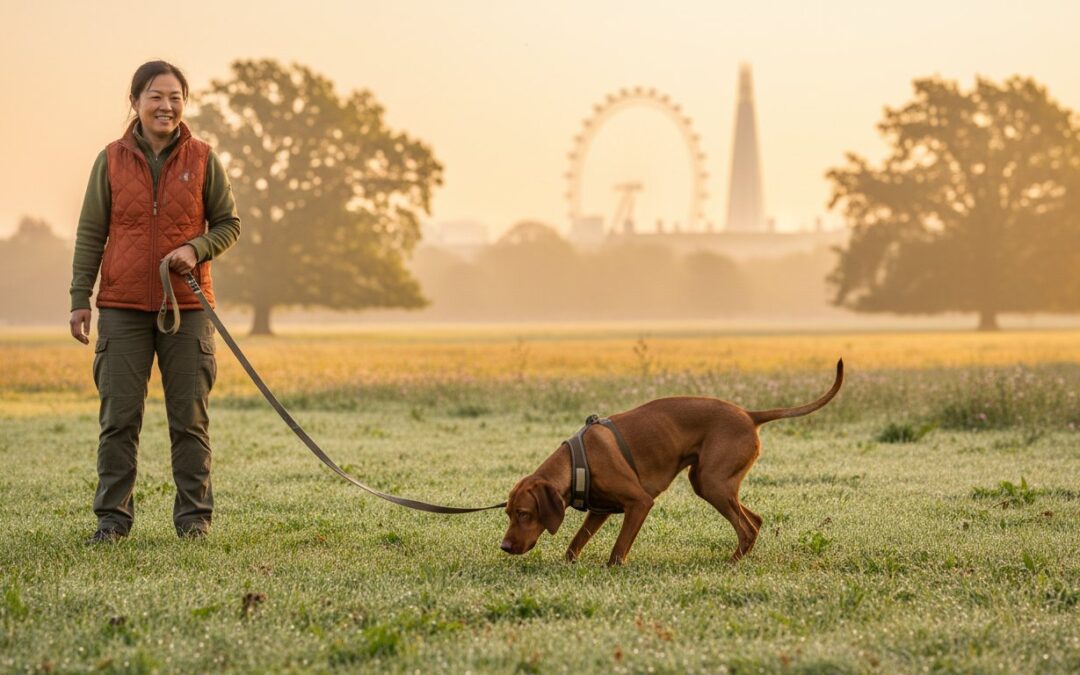
Tiring out your high-energy dog by walking them for miles through the busy streets of Central London might actually be the very thing fueling their destructive behaviour at home. It’s a common misconception that more mileage always equals a calmer companion. In reality, the constant sensory bombardment of a crowded city often leads to overstimulation rather than true satisfaction. You likely know the frustration of a dog who pulls on the lead or refuses to settle, even after a long session in the park.
Discover how to transform your urban exercise into a fulfilling, balanced routine that prevents burnout and promotes lasting calm. This guide explores the essential shift toward biological fulfillment and professional dog walking for high-energy breeds London. We will examine the impact of 2026 licensing changes in boroughs like Wandsworth and Lambeth, explain why structured enrichment is the key to a settled dog, and show you how to find support that truly understands your dog’s unique working drive. By focusing on your dog’s internal emotional state, you can build a life together that is defined by connection rather than constant exhaustion.
Key Takeaways
- Learn how to balance physical exertion with cognitive engagement to prevent the overstimulation common in standard city walks.
- Discover why professional dog walking for high-energy breeds London prioritises “Sniffaris” over high-speed runs to achieve true mental exhaustion.
- Understand how “balanced packs” ensure safe socialisation by matching your dog’s temperament with compatible companions.
- Identify the lead manners and recall foundations required to keep your high-drive dog safe and calm on London’s busy pavements.
- Explore how a bespoke, science-based walking routine can transform destructive home behaviours into settled, relaxed evenings.
What is High-Energy Dog Walking in a London Context?
Walking a high-energy dog in the capital requires more than just a sturdy pair of boots and a local park. In the context of dog walking for high-energy breeds London, we define a successful outing as a deliberate blend of physical exertion and cognitive engagement. It is a common mistake to assume that a two-hour run is the only way to tire out a working breed. While physical movement is vital, these dogs possess an internal engine that thrives on problem-solving and environmental interaction. Without a mental challenge, a long walk often results in a dog that is physically fit but mentally frustrated.
Standard “potter” walks, where a dog wanders aimlessly on a short lead, often fail high-drive breeds because they lack purpose. London acts as a sensory pressure cooker; the constant hum of traffic, the density of the crowds, and the unpredictability of city noise can easily overwhelm a sensitive, high-energy temperament. At H&H Dog, our philosophy centres on walking as a primary tool for emotional balance. We don’t just move your dog from point A to point B. We use the walk to provide structured behavioral enrichment, ensuring your dog feels seen, heard, and biologically satisfied.
Common High-Energy Breeds in the City
London’s streets are home to a growing population of Hungarian Vizslas, working Cocker Spaniels, and various high-drive Terriers. These breeds were originally developed for demanding roles like retrieving game, flushing birds, or managing vermin. They possess an innate need to use their noses and their minds. When these ingrained biological drives find no outlet in a typical London flat, they don’t simply disappear; they transform into what many owners describe as “naughty” behaviours like frantic door-pacing or the systematic dismantling of sofa cushions.
The Risks of Under-Stimulation for Urban Dogs
The link between pent-up energy and problematic behaviour is direct and well-documented. Under-stimulated dogs are significantly more likely to develop separation anxiety or on-lead reactivity as they struggle to process their environment. You might notice “red flags” such as obsessive pacing, excessive licking, or destructive chewing of furniture. For North London professionals with demanding schedules, providing this level of specialised care is a significant challenge. Professional dog walking for high-energy breeds London offers a vital safety net, ensuring your dog’s complex psychological needs are met through expert support and tailored exercise routines.
The Science of Enrichment: Beyond the 5-Mile Run
While it’s tempting to think a five-mile run through Hyde Park is the ultimate goal for a restless dog, physical fatigue is only one half of the equation. Mental exhaustion is often far more effective at producing a settled companion at the end of the day. When we focus exclusively on high-intensity exercise, we risk creating an “athlete” who lacks the ability to switch off. This is a common pitfall in dog walking for high-energy breeds London. Instead, we advocate for the “Sniffari”. Allowing a dog to engage their olfactory senses for 20 minutes provides a level of cognitive drainage that an hour of running simply cannot match.
High-intensity activities like repetitive ball throwing can actually be counterproductive for many high-drive temperaments. These games keep a dog’s system flooded with cortisol and adrenaline, creating a “stress soup” that can take hours to subside. For dogs living in the high-pressure environment of the city, this sustained arousal often manifests as reactivity or an inability to rest at home. We prefer decompression walks in quieter North West London green spaces, such as the wilder corners of Hampstead Heath or Gladstone Park. These outings allow the dog to move at their own pace, away from the “noise” of urban life. Adopting an enrichment-first approach ensures you are meeting your legal duty of care as outlined in the UK Code of Practice for the Welfare of Dogs. If you are concerned about your dog’s inability to settle, our behavioural consultations can help identify the root cause of their restlessness.
Mental Stimulation Techniques on the Lead
A professional walker doesn’t just hold the lead; they act as a mentor. We use “find it” games, scattering treats in long grass, and environmental parkour, which involves encouraging dogs to safely balance on logs or navigate low walls. These activities require intense focus and physical coordination. Engaging the brain in this way naturally lowers the dog’s heart rate and promotes a state of calm that persists long after the walk ends.
Biological Fulfillment for Working Breeds
Every breed has a unique genetic motor that needs to be acknowledged. A Labrador might find biological fulfillment in a structured game of retrieve, while a Beagle requires a specific scent trail to follow. We use positive reinforcement to keep these high-drive dogs focused and connected, even when navigating the distractions of a busy street. This bespoke approach to dog walking for high-energy breeds London ensures that every outing serves a specific purpose in your dog’s emotional development and long-term well-being.
Choosing the Best Walking Model for Your High-Drive Dog
Every high-drive dog is an individual with a unique emotional baseline. Before any service begins, we perform a thorough temperament assessment to understand how your dog perceives their environment. This step is vital because the wrong walking model can exacerbate stress rather than relieve it. For some, the social dynamic of a pack is highly rewarding. For others, the sensory input of several other dogs is simply too much to process in a city as busy as London. Selecting the right approach to dog walking for high-energy breeds London ensures your dog remains below their “threshold” of stress.
Effective exercise relies on creating “balanced packs.” This means matching dogs not just by size, but by energy levels and play styles. A young, exuberant Vizsla and a high-drive Spaniel might be a perfect match, whereas pairing a frantic puppy with an older, working-strain Terrier could lead to friction or bullying. We aim to prevent over-arousal by keeping groups small and curated, allowing for a controlled social environment where every dog feels safe. This balance is the difference between a dog who returns home exhausted and one who returns home truly satisfied.
The Benefits of Group Dog Walking
Social learning is a powerful tool for high-energy breeds. When a dog joins a group of settled, well-mannered companions, they often begin to mirror those calm behaviours naturally. This type of socialisation is far more effective than a chaotic hour at an unregulated local park. We focus on Professional Dog Walking in London that prioritises safety through low dog-to-human ratios. For our North West London clients, we provide a seamless pick-up and drop-off service, ensuring your dog transitions smoothly from the quiet of home to the enrichment of the group and back again.
When to Opt for 1-to-1 Training Walks
Not every dog is ready for the pack. If your dog shows signs of being overstimulated, such as constant barking, an inability to focus, or frantic lead-pulling, a 1-to-1 session is often the kinder choice. These bespoke walks allow us to focus entirely on your dog’s specific needs, whether that’s building a solid recall or improving lead manners. If your dog displays reactivity towards other dogs or people, you might require the specialised support of a dog behaviourist London. These individual sessions act as a bridge, giving your dog the skills they need to eventually navigate the city with confidence.
Preparing Your High-Energy Dog for Professional Walks
Preparing your high-energy companion for professional support is a transition that requires patience and the right tools. It is not simply a matter of handing over the lead; it is about building a foundation of safety and trust that allows your dog to thrive in a group or individual setting. When considering dog walking for high-energy breeds London, your dog’s ability to navigate the urban environment is paramount. We recommend a four-step approach to ensure they are ready for the transition from your care to ours.
- Step 1: Refine Lead Manners. Pavements in areas like Islington or Camden are narrow and often crowded. Your dog needs to understand how to move with a walker without constant tension.
- Step 2: Establish Recall. Before any off-lead time is granted in London’s parks, a rock-solid recall foundation is essential for safety and legal compliance.
- Step 3: Urban Socialisation. Exposure to the specific sounds of the city, from sirens to heavy HGVs, prevents fearful reactions during the walk.
- Step 4: Audit Your Equipment. High-energy breeds require gear that offers control without causing physical discomfort or restriction.
Lead Walking in the London Environment
In green spaces like Highgate Woods, a sudden squirrel sighting can turn a calm stroll into a battle of wills. We advocate for the use of well-fitted, Y-shaped harnesses that allow for a full range of shoulder motion. We strictly avoid force-based equipment such as slip leads or prong collars, as these can increase anxiety and reactivity in high-drive dogs. Loose lead walking is a partnership, not a correction. By rewarding your dog for choosing to stay close, you foster a sense of connection that makes the walk more enjoyable for everyone involved.
Recall and Safety in Royal Parks
Navigating the Royal Parks requires a deep understanding of local bylaws and “dogs on leads” zones, which are strictly enforced to protect wildlife and other park users. Professional walkers often use high-value rewards, such as dried liver or small pieces of cheese, to maintain focus in these high-distraction areas. If you find your dog’s focus wavering, our guide to dog training North London provides deeper insights into building a reliable recall. Maintaining this focus is the best way to ensure your dog enjoys their freedom safely. If you’re ready to see the difference professional support can make, book one of our 1-to-1 dog training sessions to bridge the gap before your dog joins a group walk.
The H&H Dog Approach: Expert Care for High-Energy Breeds
At H&H Dog, we’ve spent more than two decades refining our approach to the complex needs of working breeds in the city. Our Expert Advocate philosophy is rooted in the belief that we must speak for the dog, ensuring their biological and emotional requirements are met in every interaction. We understand that a Vizsla in North West London faces different environmental pressures than a working Spaniel in South East London. By representing the dog’s perspective with professional authority and empathy, we ensure that dog walking for high-energy breeds London is an ethical, supportive experience. Our coverage extends across North London, North West London, and West London, offering a premium service model for owners who value long-term emotional health over simple physical exhaustion.
Tailored Walking Plans for Every Dog
Our support begins with a detailed initial consultation to understand your dog’s unique history and temperament. We don’t simply add dogs to a van; we curate experiences. By matching your dog to the right walker and a specifically balanced pack, we create a social environment that fosters confidence rather than anxiety. This tailored approach is the reason our clients see such a significant difference in their dogs’ ability to settle at home after a session. You’ll benefit from ongoing communication and updates, providing the reassurance that your dog’s welfare is being managed by a knowledgeable mentor who understands the nuances of canine psychology and communication.
A Holistic Life for Your Urban Dog
Building a fulfilling life for an urban dog requires a holistic perspective that goes beyond the daily walk. We seamlessly integrate our walking services with 1-to-1 training and mobile dog grooming to ensure every aspect of your pet’s care is stress-free and professional. For high-energy breeds, a structured routine is a powerful tool for reducing cortisol levels and promoting a state of calm. This consistency helps your dog understand what is expected of them, leading to a deeper connection between you both. We invite you to experience a modern approach to pet ownership that prioritises relationship-building and long-term emotional health. It is about creating a life together that feels manageable and rewarding.
Contact H&H Dog to book your bespoke walking assessment and discover how we can support your dog’s journey toward a more balanced, joyful life in the city.
Transforming Your Dog’s Urban Routine
Meeting the biological needs of a high-drive dog in a city as dense as London requires more than just a standard walk. You now understand that true satisfaction comes from a balance of physical movement and cognitive enrichment. By prioritising “Sniffaris” and structured socialisation, you can lower your dog’s stress levels and prevent the overstimulation that often leads to destructive behaviours. Choosing the right support for dog walking for high-energy breeds London is the final piece of the puzzle. It ensures your dog has an advocate who understands their unique working drive and internal emotional state.
With over 20 years of professional experience, H&H Dog provides bespoke care that is rooted in force-free, science-based training methods. We don’t believe in one-size-fits-all solutions. Instead, we offer tailored support designed to help your dog thrive amidst the noise of the city. It is time to move away from the cycle of constant exhaustion and toward a life of mutual understanding and calm. Your dog deserves a routine that respects their instincts while keeping them safe and settled.
Book a tailored walking assessment for your high-energy dog today and take the first step toward a more balanced future together. We look forward to helping you and your dog build a life of connection and confidence.
Frequently Asked Questions
Can high-energy dogs be happy living in a London flat?
High-energy breeds can thrive in a flat as long as their mental and physical needs are prioritised daily. The home should be a place for resting; the outside world is where they do their “work.” High-drive dogs living in the city require a dedicated routine that includes specific outlets for their instincts. Without these, you might see destructive behaviours, but with proper dog walking for high-energy breeds London, even a small flat becomes a peaceful sanctuary.
How many walks a day does a high-energy breed actually need?
Most high-energy breeds require at least two significant sessions of activity per day to maintain health. According to the 2026 welfare standards, these sessions should combine physical movement with mental challenges. A 45-minute walk involving scent work is often more exhausting than a two-hour run. We tailor these sessions to your dog’s individual breed drive to ensure they return home ready to rest and recover.
Is group dog walking safe for high-drive dogs that are easily overstimulated?
Group walks are safe when they are managed as “balanced packs” with small numbers of compatible dogs. We never place an easily overstimulated dog into a large, unregulated group. If your dog finds the presence of others too intense, we transition them to 1-to-1 training walks. This allows us to work on their emotional regulation in a controlled environment before considering a group setting in the future.
What happens if my dog has poor recall in a London park?
We never release a dog off-lead in a London park until we are 100% confident in their recall. For dogs still in training, we use long-lines that allow for freedom and sniffing while maintaining a physical connection for safety. This approach ensures your dog stays safe while we build the focus and engagement necessary for off-lead privileges in busy urban green spaces like Hampstead Heath.
Do you offer dog walking for high-energy breeds in Watford as well as London?
Yes, we provide professional dog walking for high-energy breeds London across North London, North West London, and Watford. Our team manages several curated packs in these regions, ensuring that local dogs receive the bespoke care they need. This wide coverage allows us to support busy professionals throughout these areas with consistent, expert care for their high-drive companions regardless of their specific postcode.
What equipment do you use for walking strong, high-energy dogs?
We exclusively use force-free equipment, such as well-fitted Y-shaped harnesses and sturdy, fixed-length leads. These tools provide the necessary control for strong dogs without causing physical pain or restricting their natural movement. All dogs in our care must also wear a collar with an ID tag as required by the Control of Dogs Order 1992. This ensures your dog’s experience of the city remains positive while staying fully compliant with UK law.
How do I know if my dog is getting enough mental stimulation?
You will know your dog is mentally satisfied when they can settle calmly at home without pacing or seeking constant attention. If your dog sleeps deeply after a walk and shows no interest in destructive chewing, their cognitive needs are likely being met. A dog who is physically tired but still “wired” or restless often requires more focused scent work and problem-solving games rather than more miles on the pavement.
What is the difference between a dog walker and a dog trainer-walker?
A standard walker provides exercise and toilet breaks, whereas a trainer-walker uses every outing to reinforce positive behaviours and emotional balance. With over 20 years of experience, we integrate science-based training principles, such as reading subtle body language, into every session. This ensures the walk is a learning opportunity that strengthens your dog’s ability to navigate the world with confidence, calm, and a deep connection to their handler.