
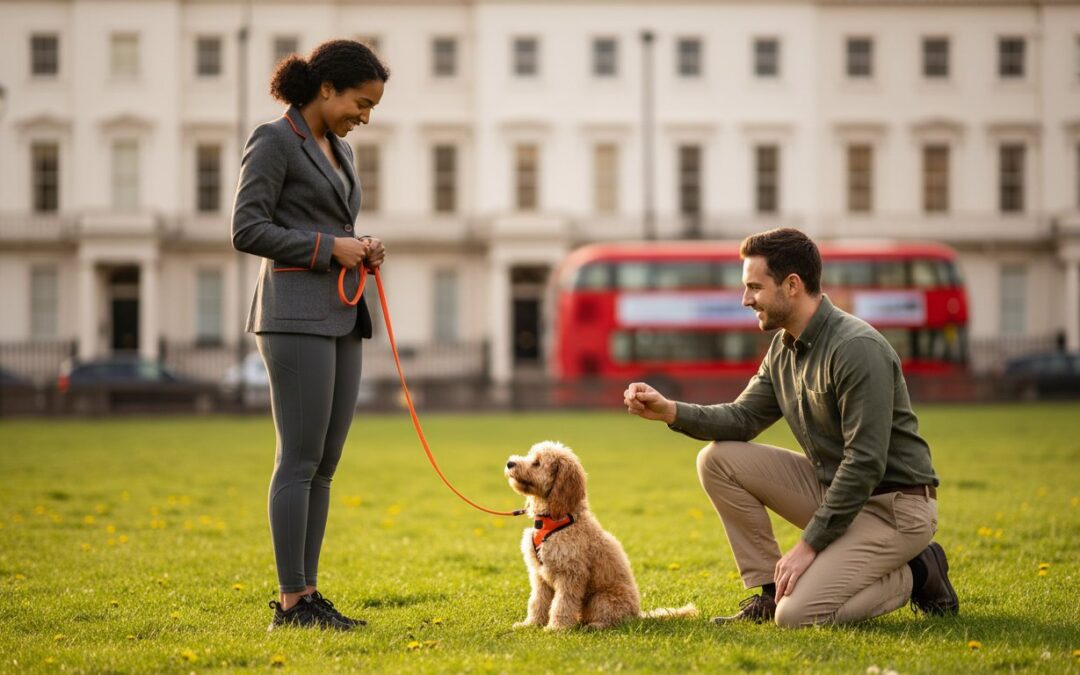
What if the most important lesson your dog learns this year isn’t a command, but the ability to feel calm while a red double-decker bus thunders past? Bringing a new puppy into a London flat often feels like a whirlwind of sleepless nights and sharp teeth. You’ve likely spent hours searching for puppy training classes near me only to find a sea of conflicting online advice that leaves you more confused than when you started.
We understand that your goal isn’t just an obedient dog, but a resilient partner who can handle the unique pressures of city life without becoming reactive or overwhelmed. This guide will help you choose the right professional support in London to ensure your young dog grows into a confident, well-adjusted urban companion. We will outline how to navigate breed-specific needs, master toilet training in high-rise environments, and establish a clear roadmap for socialisation that prioritises your dog’s emotional well-being. By focusing on connection rather than correction, you can build a life together that is defined by mutual respect and calm confidence.
Key Takeaways
- Understand why the first 16 weeks are a non-negotiable window for positive socialisation and how structured support differs from the chaos of typical “puppy parties.”
- Learn how to evaluate the benefits of puppy training classes near me against bespoke one-to-one sessions to find the environment that best suits your dog’s unique temperament.
- Identify the essential urban skills your puppy needs to safely navigate busy London pavements and master reliable recall in North London’s open parks.
- Discover the “Expert Advocate” philosophy, which prioritises seeing the world through your dog’s eyes to build a lasting bond based on mutual respect and clear communication.
- Gain the confidence to move beyond simple obedience and establish a tailored foundation that supports your dog’s long-term emotional health in a modern city environment.
What Should You Expect from Puppy Training Classes Near You?
Professional puppy training serves as the essential foundation for a lifetime of mutual understanding. It is a common misconception that these sessions are purely about physical tricks. Instead, high-quality Dog training focuses on opening a clear line of communication between you and your new companion. When you begin searching for puppy training classes near me, look for programmes that prioritise emotional regulation over simple compliance. This approach ensures your dog feels safe while learning how to navigate the complexities of a human-centric world.
Modern training distinguishes itself from the “puppy parties” of the past. Those unregulated sessions often resulted in chaotic free-for-alls that could inadvertently teach a young dog to fear or overreact to others. Structured socialisation classes are different. They provide a controlled environment where puppies learn to remain calm and focused in the presence of distractions. Searching for puppy training classes near me in a high-density area like London means looking for trainers who understand urban stressors. This early intervention is vital for preventing common behavioural issues. Teaching a dog to ignore sirens or passing cyclists prevents the development of lead reactivity and anxiety later in life.
The Core Components of a Quality Puppy Course
A premium course prioritises engagement exercises that build a strong bond. You’ll spend more time learning to read canine body language than drilling commands. Understanding subtle signals, such as a lip lick or a slight ear tuck, allows you to advocate for your dog’s needs before they become overwhelmed. Class size is a critical factor for success. Reputable London trainers typically limit groups to a maximum of six puppies. This ensures the environment remains quiet enough for learning; it also prevents the emotional “flooding” that occurs in overcrowded spaces.
Identifying Force-Free Training in London
Force-free training is a science-based method that prioritises the dog’s emotional security by removing the threat of pain, fear, or intimidation. When evaluating local options, look for keywords like positive reinforcement, partnership, and ethical. These terms signal a commitment to modern welfare standards. Be alert for red flags that suggest outdated mentalities. The use of slip leads, “corrections,” or language involving “dominance” and “alphas” indicates a lack of understanding of contemporary animal behaviour. Choosing a trainer who views your dog as a partner rather than a subordinate creates a resilient, confident pet. This tailored support makes the transition into London life smoother for every member of the household.
The Science of Socialisation: Why the First 16 Weeks Are Critical
Biology provides a narrow, non-negotiable window for a puppy to learn what is safe in their environment. This critical socialization period, which typically peaks between 4 and 12 weeks and begins to close by week 16, is a developmental phase that cannot be repeated. During this time, the puppy’s brain is uniquely plastic; they are more inclined to approach new things with curiosity rather than fear. Once this window shuts, the brain’s default setting shifts toward caution, making it significantly harder to introduce new concepts without triggering a stress response.
It’s vital to distinguish between “exposure” and “positive socialisation.” Simply taking a puppy to a park and letting them see dogs is exposure. Socialisation, however, is an active process where we ensure the puppy forms a positive emotional association with the stimulus. If a puppy is flooded with too many sights or sounds without the support of positive reinforcement, they may become sensitised rather than socialised. This is why many owners search for puppy training classes near me to find a structured environment where these interactions are carefully curated by professionals.
In a bustling city like London, socialising a puppy before they are fully vaccinated presents a logistical puzzle. Since the second vaccination often happens at 12 weeks, owners are frequently told to keep their dogs indoors, potentially wasting 75% of the critical window. We bridge this gap through enrichment activities at home and “carried” outings. Using a puppy carrier or a sling allows your dog to experience the sights and smells of the city safely, building their confidence before their paws ever touch a public pavement.
Beyond Other Dogs: Socialising to the Human World
Living in London requires a dog to be resilient to an urban symphony. Passive socialisation is a powerful tool here. You might spend ten minutes sitting on a bench in North West London, simply rewarding your puppy for watching a double-decker bus or a cyclist pass by. We also prioritise “settle” training. Teaching a puppy to relax on a mat in a dog-friendly cafe is a life skill that ensures they can accompany you anywhere. You can begin this journey by looking into how our bespoke puppy support helps translate classroom skills into real-world London environments.
Common Socialisation Mistakes to Avoid
The most frequent error is “the friendly dog” trap. Forcing a nervous puppy to interact with a boisterous adult dog just because the other owner says “he’s friendly” can lead to long-term fear. You must advocate for your dog’s personal space. Watch for subtle body language cues like lip licking, paw lifting, or a tucked tail; these are clear signals that your puppy is overwhelmed. Another mistake is failing to generalise. A puppy might sit perfectly in a quiet kitchen but “forget” everything at a busy park. Training must be gently layered across different environments to truly stick.
Group Classes vs. One-to-One Puppy Training: Which is Best?
Deciding between a group setting and private tuition is one of the first major choices you’ll face. While many owners start by searching for “puppy training classes near me” to find a local community, the right choice depends entirely on your dog’s individual temperament and your specific living situation. Group environments offer a vibrant, social atmosphere, but they can be overwhelming for certain personalities. We must always look at the world through the puppy’s eyes to ensure their first experiences of education don’t lead to fear or overstimulation.
A common misconception is that puppies must play with other dogs to become “socialised.” In reality, socialisation is about teaching your dog to remain neutral and calm in the presence of distractions. Constant wrestling in a hall can actually create “frustrated greeters” who struggle to focus on their owners when they see another dog on the street. For a comprehensive look at raising a balanced dog in the city, explore our puppy training pillar.
When to Choose a Group Training Class
Group classes are an excellent fit for puppies who are already naturally confident and curious. These sessions provide a structured way to practice foundational skills like “sit” and “wait” while other things are happening around them. The benefits of this format include:
- Shared Experience: You’ll quickly realise you aren’t alone. Seeing other owners navigate the same “land shark” biting phases or lead-pulling struggles provides significant emotional relief.
- Distraction Management: It offers a safe space to teach your puppy that you are the most interesting thing in the room, even when other dogs are present.
- Accessibility: Group sessions typically serve as a lower-cost entry point for learning basic cues and building a bond with your new companion.
The Benefits of Bespoke One-to-One Support
London life often requires a more tailored approach than a generic hall-based class can provide. One-to-one training is frequently the superior choice for addressing the nuances of urban living. If you live in a high-rise apartment, your puppy needs to learn how to navigate communal lifts, metal stairs, and balconies, challenges that simply don’t exist in a traditional training centre.
Private support is essential for puppies who are easily overstimulated or naturally shy. A loud hall with five other barking dogs can be a traumatic experience for a sensitive soul. By training in your own home or local park, we ensure the puppy feels safe enough to learn. This bespoke method also fits the lifestyle of a busy London professional. You don’t have to worry about making a specific 6:00 PM slot across town; instead, the training works around your schedule. This focused attention ensures that complex issues, such as toilet training in a flat without a garden, are solved with a specific, actionable plan designed for your unique home layout.
Essential Skills for the Modern London Dog
Raising a dog in London requires a specific toolkit that goes beyond the standard “sit” and “stay” found in generic manuals. Our city presents unique pressures: narrow 1.5-metre pavements, bustling crowds on Watford High Street, and the sensory intensity of the London Underground. When you search for puppy training classes near me, you’re looking for more than just obedience; you’re seeking a way to help your dog feel safe and confident in a high-stimulus environment. We focus on building a resilient bond that allows your puppy to thrive amidst the urban hum.
Mastering the Urban Environment
The goal of city training is neutrality. We want your dog to observe a cyclist, a pigeon, or a frantic commuter without feeling the need to react. This emotional balance is the foundation of a relaxed London life. Achieving this requires a structured approach to socialisation that respects your dog’s pace.
- Public Transport Confidence: Start by visiting a quiet station entrance just to watch the world go by. Progress to sitting on a stationary bus before attempting a short trip on the Jubilee or Northern line during off-peak hours.
- The “Leave It” Life-Saver: London streets are often littered with discarded food waste. A robust “leave it” command is a vital safety skill that prevents the ingestion of harmful chicken bones or toxic litter.
- Pavement Etiquette: We teach loose lead walking as a collaborative effort. Your dog learns to maintain a soft connection on the lead even when navigating the dense foot traffic of local shopping districts.
Recall Training in Open Spaces
Reliable recall is the ultimate freedom for a London dog. Whether you’re exploring the vast expanses of Hampstead Heath or the enclosed areas of Gladstone Park, your dog must choose you over a sprinting squirrel or another playmate. This choice is built on trust and high-value reinforcement rather than force.
We recommend using a 5-metre or 10-metre long line during the early stages of training. This allows your puppy to explore while ensuring they stay safe. For those looking for local expertise, dog training in North London provides specific strategies for handling the distractions unique to our local green spaces. Our Expert Advocate tip is simple: never punish a dog for coming back to you, even if they took ten minutes to respond. If they’re met with frustration, they’ll learn that returning is a negative experience.
Preparation also extends to professional handling. London dogs often visit busy veterinary clinics or high-end groomers. We teach “cooperative care” techniques, helping your puppy feel comfortable with being touched, examined, and groomed. This reduces stress for the dog and ensures these essential visits are positive experiences. By joining puppy training classes near me that prioritise these modern skills, you’re investing in your dog’s long-term emotional health.
Ready to build a confident, calm companion for your London adventures? Enrol in our tailored London puppy programmes today and start your journey with expert support.
The H&H Dog Approach: Expert Puppy Support in North London & Watford
H&H Dog brings over 20 years of professional pet care experience to North London and Hertfordshire. We don’t just teach basic commands; we act as an “Expert Advocate” for your pet. This philosophy means we prioritise seeing the world through the dog’s eyes, acknowledging their sensory experiences and emotional needs. By understanding the “why” behind a pup’s behaviour, we help you build a relationship rooted in trust rather than fear. Our approach creates a synergy between training, walking, and grooming, ensuring every aspect of your dog’s life contributes to their overall well-being.
We believe that a happy dog is a well-supported dog. This requires a commitment to modern, science-based methods that avoid outdated, confrontational techniques. Instead, we focus on enrichment and positive reinforcement to help your puppy navigate the complexities of urban living. Whether you are searching for puppy training classes near me or seeking a more personalised 1-to-1 setup, our team provides the calm, professional guidance necessary for long-term success.
Tailored Training for Every Temperament
Every puppy is an individual with a unique personality. We begin our process with detailed behavioural assessments to determine the most effective path for your specific pup. These assessments help us identify natural predispositions, potential anxiety triggers, and learning styles. Because we understand the hectic nature of life in the capital, we offer the convenience of home-based consultations across North West London and Watford. Training in your own environment allows us to address real-world challenges where they actually happen, from doorbell reactivity to settling during family mealtimes.
- Bespoke Plans: We create strategies tailored to your dog’s specific breed traits and energy levels.
- Adolescent Support: Our guidance extends beyond the early weeks, helping you manage the difficult “teenage” phase when hormones and independence often lead to regressive behaviour.
- Communication Skills: We teach you to read subtle body language, allowing you to support your dog before they feel the need to react.
This ongoing support ensures that you never feel alone when facing new developmental hurdles. By choosing puppy training classes near me that offer this level of individual attention, you invest in a more peaceful household.
A Holistic Life for Your London Puppy
True socialisation involves more than just meeting other dogs; it’s about learning to be neutral and confident in a variety of settings. Integrating professional dog walking into your pup’s routine is an excellent way to build these social skills in a controlled, safe manner. Our walkers are trained to maintain the same positive reinforcement standards we use in our coaching, ensuring consistency in your dog’s education.
Early experiences with handling are equally vital. Our ‘Puppy’s First Groom’ service acts as a gentle introduction to hygiene and maintenance. We utilise mobile grooming to reduce the stress often found in high-traffic salons, providing a quiet, one-on-one experience. This helps young, impressionable dogs view grooming as a relaxing part of their routine. By combining these essential services, we provide a holistic support system that covers every stage of your puppy’s growth.
Ready to start your journey with a team that truly understands your dog’s needs? Book a consultation with our expert trainers today and discover the difference that professional advocacy can make for your family.
Build a Confident Future for Your London Puppy
The first 16 weeks of your puppy’s life are a critical window for socialisation that won’t open again. Successfully navigating the unique pressures of North London, from busy high streets to the parks of Watford, requires a training approach that respects your dog’s internal emotional health. Finding the right puppy training classes near me is the first step toward establishing a language of mutual trust and long-term stability.
At H&H Dog, we use over 20 years of professional experience to deliver bespoke support tailored to your specific urban lifestyle. Our force-free, science-based methods ensure your dog feels safe while learning essential skills for the modern world. We don’t offer generic fixes because every dog and owner partnership is unique. By focusing on positive reinforcement and clear communication, you’ll transform potential urban stress into a calm, rewarding bond.
Ready to start your journey with expert guidance? Book Your Personalised Puppy Training Consultation in London. You’re making a wonderful investment in your dog’s well-being, and we’re here to support you both.
Frequently Asked Questions
How much do puppy training classes cost in London?
In London, a standard six-week group course typically costs between £120 and £200. These rates vary based on the venue’s location and the trainer’s specific certifications. You’ll find that premium services offering smaller class sizes or a specialised curriculum often sit at the higher end of this bracket. Investing in quality early education prevents costly behavioural interventions later in your dog’s life.
At what age should my puppy start training classes?
You should aim to start puppy training classes as soon as your puppy is 8 to 12 weeks old. This period is a critical developmental window for socialisation and habit formation. Starting early helps your dog learn to process new environments calmly. It builds a foundation of trust before adolescent challenges emerge around the six-month mark.
Can I attend puppy classes before my dog is fully vaccinated?
Most reputable schools allow puppies to attend one week after their first set of vaccinations, provided the venue is sanitised and secure. You don’t need to wait for the full course of boosters to begin learning. Early exposure to different sights and sounds is vital for long-term emotional health. Always consult your vet to ensure your puppy’s specific health schedule aligns with your chosen class.
What is the difference between a dog trainer and a behaviourist?
A dog trainer focuses on teaching specific skills and cues like recall or loose lead walking, while a behaviourist addresses complex emotional issues such as fear or aggression. Behaviourists usually hold post-graduate qualifications and are registered with bodies like the ABTC. If you’re looking for puppy training classes near me, a qualified trainer is usually the right choice for foundational education and socialisation.
How many puppies should be in a training class?
An ideal puppy class should have between four and six puppies to ensure every owner receives individual attention. When a group exceeds eight dogs, the environment often becomes too overwhelming for a young animal to learn effectively. Smaller groups allow the trainer to monitor body language closely. This ensures your puppy feels safe and supported throughout the session.
What happens if my puppy is too nervous for a group class?
If your puppy finds a group setting stressful, a professional trainer will suggest transitioning to a bespoke one-to-one session. It’s common for some puppies to feel overwhelmed by the noise and movement of other dogs. Forcing a nervous dog to “tough it out” can lead to long-term anxiety. We focus on building confidence at the dog’s own pace, ensuring they feel secure in their learning environment.
Is one-to-one puppy training better than a group class?
One-to-one training is often more effective for addressing specific household challenges, while group classes provide essential socialisation opportunities. A private session allows for a tailored plan that fits your family’s unique lifestyle and schedule. Many owners find that a combination of both provides the most comprehensive support. When searching for puppy training classes near me, consider starting with a private consultation to set a solid baseline.
How long does it take to train a puppy in London?
While a basic foundation course usually lasts six weeks, full training is a journey that continues until your dog reaches maturity at 18 to 24 months. You’ll see significant progress in basic cues within the first month of consistent practice. However, maintaining these skills through the “teenage” phase requires ongoing patience and reinforcement. Training is a lifelong commitment to your dog’s mental well-being and your shared bond.