
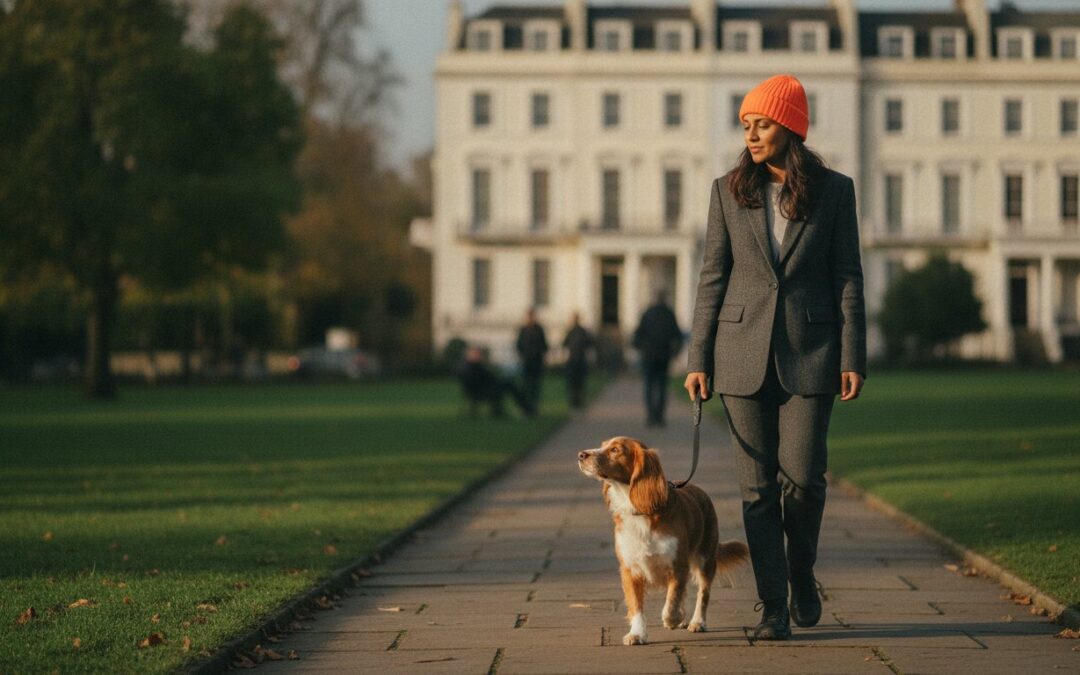
Imagine walking through Hampstead Heath on a crisp Sunday morning, but instead of enjoying the fresh air, your heart sinks as a cyclist approaches. You feel the familiar tension in the lead, the lunging begins, and the judgmental stares of passers-by feel like a spotlight on your struggle. It’s exhausting to feel that every outing is a battle against the sensory overload of the city. You likely feel overwhelmed by conflicting advice from celebrity trainers that doesn’t account for the unique pressure of London life.
We understand that you want a deeper bond based on trust rather than fear or force. This guide explains how professional dog reactivity training London experts provide can transform these moments through ethical, science-backed mentorship tailored to your dog’s specific needs. We will explore how to decode your dog’s internal emotional state and provide you with practical tools to navigate high-trigger urban environments with calm confidence. By shifting the focus from outward actions to underlying motivations, you can finally reclaim the joy of your daily walks together.
Key Takeaways
- Understand how the unique stressors of city life, from narrow residential streets to crowded parks, influence your dog’s emotional reactions.
- Discover why modern dog reactivity training London professionals use evidence-based methods to replace fear with calm, reliable focus.
- Learn why 1-to-1 behavioural consultations offer a safer, more effective alternative to high-pressure group classes for reactive dogs.
- Gain the confidence to vet potential trainers by identifying red-flag terminology and checking for a commitment to non-coercive welfare standards.
- See how a bespoke approach to mentorship can transform your urban walks by focusing on your dog’s internal emotional state rather than just their outward actions.
Why Professional Dog Reactivity Training is Essential for London Pups
Reactivity is one of the most misunderstood behaviours in the canine world. To many passers-by, a dog lunging on a lead looks like aggression; however, it is almost always an overreaction to stimuli rooted in deep-seated fear or frustration. In the high-pressure environment of the city, these emotional responses are amplified. Seeking professional dog reactivity training London services is not just about teaching “sit” or “stay”. It’s about helping your dog process a world that often feels too loud, too close, and too fast. Without expert guidance, these reactions can quickly become ingrained habits that limit your dog’s world and your own peace of mind.
Living in North West London presents a specific set of challenges that generic training videos simply cannot address. Our residential streets are often narrow, forcing dogs into close proximity with triggers like delivery bikes, sirens, and heavy foot traffic. While a “YouTube trainer” might offer a one-size-fits-all solution, they aren’t there to observe your dog’s subtle body language or the specific triggers of your neighbourhood. Modern science-based training methods prioritise understanding these internal triggers. This evidence-based approach ensures that we are supporting the dog’s emotional welfare rather than just suppressed outward symptoms. Investing in expert support early is also a sound financial decision. It’s far more effective to address these concerns before they escalate into complex behavioural issues that require years of intensive intervention.
Navigating the Urban Jungle: Training for City Life
Managing overstimulation is a daily reality for London owners. In busy green spaces like Hampstead Heath or Highgate Wood, the sheer density of dogs and people can push a reactive dog past their threshold in seconds. We focus on developing urban neutrality to help your dog thrive in these settings. Urban neutrality is a dog’s ability to remain calm despite high-density stimuli. By gradually building your dog’s confidence amidst the chaos of the city, we turn stressful outings into predictable, manageable walks. This isn’t about ignoring the world; it’s about feeling safe within it.
The Role of a Behavioural Mentor
A professional mentor does more than give instructions. They act as a translator for your dog’s needs. We identify the root cause of the reactivity, whether it’s a lack of socialisation, a previous bad experience, or a high prey drive triggered by urban wildlife. Instead of trying to “fix” your dog as if they were a broken machine, we focus on supporting them through their environment. This shift in perspective fosters a partnership built on mutual respect. For those dealing with complex emotional challenges, a dedicated Dog Behaviourist London can provide the bespoke, 1-to-1 support necessary to navigate these nuances safely and ethically.
Understanding Modern Training Methods: Science Over Force
The landscape of canine education has shifted dramatically away from the outdated “alpha” and dominance-based theories of the past. We now know that dogs aren’t trying to control us; they’re simply trying to feel safe in an environment that can often feel overwhelming. When looking for dog reactivity training London, it’s vital to choose a mentor who understands that true behavioural change comes from a place of partnership rather than fear-based compliance. By focusing on evidence-based positive reinforcement, we build a foundation of lasting trust that remains solid even when the city gets loud.
Professional support involves learning to read your dog’s subtle body language. Recognising the early signs of stress allows you to intervene before your dog reaches their “threshold,” the point where they are too overwhelmed to learn. Understanding the various factors influencing dog behavior helps us see that reactivity isn’t a character flaw. It’s a complex response to internal and external pressures. At H&H Dog, we advocate for a holistic approach that considers every aspect of your dog’s life, from their health to their daily routine.
The Problem with Punishment-Based Training
Many “quick fix” methods rely on aversive tools or physical corrections to stop unwanted actions. While these might appear to work instantly, they often lead to suppressed aggression. The dog stops reacting because they’re afraid of the punishment, not because they feel better about the trigger. In the tight spaces of London, this can lead to dangerous “fallout” where a dog’s bottled-up anxiety eventually explodes without warning. We choose to reframe “misbehaviour” as an unmet emotional need. If your dog is lunging, they’re likely asking for space or help to process a scary situation.
Building a Communication Bridge
Marker training and high-value rewards are the cornerstones of modern behaviour modification. By using a specific sound or word to mark the exact moment your dog makes a good choice, you create a clear line of communication. You become a benevolent leader; a steady, kind presence your dog can rely on when things get hectic. Effective training is a two-way conversation, not a one-way command. If you’re ready to start this dialogue, our 1-to-1 dog training provides the personalised environment needed to succeed.
1-to-1 Training vs. Group Classes: Which is Right for Your Dog?
Choosing the right environment for your dog’s education is a pivotal decision. Many owners feel pressured to join a group class, believing that socialisation is a “sink or swim” exercise. For a dog struggling with reactivity, however, the intense social pressure of a traditional hall-based class can be counterproductive. These settings often lead to sensory overload, making it impossible for your dog to process information or feel safe. Professional dog reactivity training London experts typically recommend starting with 1-to-1 sessions to ensure the dog remains below their stress threshold. This approach aligns with the UK Code of Practice for dog welfare, which emphasises the importance of meeting a dog’s emotional needs through suitable handling and reward-based methods.
Training in your dog’s natural environment, whether that’s your living room in London or your local park in North West London, provides context that a sterile training centre cannot match. It allows us to address the specific triggers your dog encounters daily. Bespoke training plans are essential for busy owners in London who need strategies that fit into a real-world routine. By working in the spaces where the reactivity actually occurs, we create a bridge between learning and living. This ensures the progress you make during a session translates directly to your Sunday morning walk.
The Case for 1-to-1 Dog Training in London
1-to-1 sessions provide the dedicated, quiet space a reactive dog needs to build confidence. We can focus entirely on specific issues like leash reactivity or separation anxiety without the distraction of other dogs. This personalised attention is particularly vital for rescue dogs. They often need a gentle, non-judgmental introduction to training that respects their past experiences. We move at your dog’s specific pace, ensuring they feel supported every step of the way. It’s about quality of interaction over quantity of exposure.
When to Consider Group Socialisation
Group settings aren’t entirely off the table; they simply represent a later stage of the journey. Once the foundations of trust and focus are solid, transitioning to managed group scenarios can help practice “neutrality.” This involves teaching your dog to remain calm in the presence of others without needing to interact. For many, exploring Professional Dog Walking in London options provides a safe way to maintain these social skills in a controlled, professional environment. It’s about gradual, successful exposure rather than overwhelming force.
How to Vet a Dog Trainer: Essential Questions for London Owners
Finding the right support for dog reactivity training London can feel daunting because the UK dog training industry is currently unregulated. This means anyone can call themselves a trainer regardless of their experience or education. When you’re dealing with a reactive dog, the stakes are high. Choosing a mentor who uses outdated or forceful methods can exacerbate your dog’s fear and lead to long-term behavioural damage. You deserve a professional who prioritises your dog’s emotional welfare and uses evidence-based techniques to build a lasting bond of trust.
A trainer’s methodology is often revealed through the language they use. Be wary of terms like “dominance,” “alpha,” or “correction,” as these often signal a reliance on intimidation rather than understanding. Instead, look for professionals who speak about partnership, reinforcement, and meeting emotional needs. Local knowledge is equally vital. A trainer who understands the specific challenges of your London borough, such as the high density of delivery bikes in Camden or the narrow residential pavements of North West London, will be far more effective than one who offers generic advice. When evaluating testimonials, look for stories that highlight long-term emotional health and improved relationships rather than “quick fixes” that might only suppress outward symptoms.
Key Questions for Your Initial Consultation
Your first conversation with a potential trainer is an interview. Don’t be afraid to ask direct questions to ensure their values align with yours. Ask them, “What happens if my dog gets it wrong during a session?” An ethical trainer will explain how they adjust the environment or threshold to help the dog succeed, rather than suggesting a punishment. Inquire about how they stay updated with current canine behavioural science. A committed professional will regularly engage in continuing professional development to ensure their methods remain contemporary and effective. Finally, ask them to explain the science behind their methods. They should be able to clearly demystify concepts without becoming patronising.
Red Flags to Watch Out For
Trust your instincts if something feels wrong. Guarantees of “perfect behaviour” in a set number of days are a significant red flag; dogs are sentient beings, not programmed machines, and behaviour modification takes time. Be cautious of trainers who refuse to explain the “why” behind their techniques or those who suggest using physical force, intimidation, or aversive tools like e-collars. These methods may stop a behaviour temporarily, but they fail to address the underlying emotion. If you’re looking for a mentor who values transparency and ethical care, our Behavioural Consultations offer a safe, supportive starting point for your journey.
Bespoke Canine Mentorship with H&H Dog
At H&H Dog, we believe that effective behaviour modification is a collaborative journey between you, your dog, and a knowledgeable mentor. With over 20 years of professional pet care experience across North London and Watford, we’ve developed a deep understanding of the unique pressures urban life places on our canine companions. Our “Dog First” philosophy is the heartbeat of everything we do. We don’t believe in rigid, one-size-fits-all programmes. Instead, we tailor every session to your dog’s individual temperament, history, and emotional resilience. This bespoke approach ensures that your dog reactivity training London experience is as unique as the bond you share with your pet.
Our roots in grooming and walking have given us a unique vantage point. We’ve seen how a dog’s emotional state in the grooming tub or on a group walk often mirrors their struggles on the pavement. This holistic perspective allows us to offer expert behavioural support that considers the whole dog. Whether we’re helping a rescue dog find their feet or assisting a long-term resident with new-found anxieties, our goal is to foster a shared life built on mutual respect. We’ve seen the transformation that happens when an owner moves from feeling helpless to feeling empowered with the right tools. Your path to a calmer life starts with understanding the “why” behind the bark.
Personalised Training Plans for Every Life Stage
Support should evolve as your dog does. From “Puppy’s First Steps” to senior dog enrichment and reactivity management, we provide guidance that respects your dog’s current life stage. For many nervous pets, we find that integrating behavioural work with our Mobile Dog Grooming service creates a consistent, low-stress environment for care. If you’re just starting your journey with a new addition, our Puppy Training in London guide offers the foundational support needed to raise a confident urban dog. We ensure that every interaction, from a bath to a lead-walk, reinforces your dog’s sense of safety.
Serving the London and Hertfordshire Community
Our expert trainers are active across Watford, North West London, and North London. We’ve spent decades navigating local parks and understand the specific urban stressors that can trigger a reactive response. We know which corners of the park are busiest during peak hours and where to find the quietest paths for your initial training sessions. This local expertise is invaluable when building a real-world training plan that actually works. We invite you to start your journey with a non-judgmental, professional consultation to see how we can support your family. To begin, you can book your initial 1-to-1 assessment through our Behavioural Consultations page and take the first step towards a more peaceful life together.
Reclaiming Your Peace of Mind on London’s Streets
Transforming your dog’s reactivity is a journey that requires patience, understanding, and the right professional guidance. You’ve seen how science-based, non-coercive methods prioritise your dog’s emotional welfare, replacing fear with a foundation of mutual trust. By opting for dog reactivity training London experts provide, you can address specific urban triggers in the actual environments where they occur, whether you’re in Watford, North London, or North West London.
At H&H Dog, we leverage over 20 years of professional industry experience to offer evidence-based support that truly respects the animal’s perspective. Our bespoke approach ensures that you aren’t just managing symptoms but are building a deeper, more resilient bond. You deserve to feel confident and calm during every outing, knowing you have the tools to support your dog through any situation. It’s time to move past the stress and reclaim the joy of your time together.
Ready to start your transformation? Book Your Bespoke 1-to-1 Training Session with H&H Dog today. We’re here to provide the steady hand and expert mentorship you need to succeed.
Frequently Asked Questions
How many sessions will it take to see progress with my reactive dog?
Progress varies based on your dog’s history, but most owners notice a shift in their dog’s ability to focus within the first few sessions of dog reactivity training London. Behaviour modification isn’t a quick fix; it’s about shifting emotional states. We typically suggest an initial block of sessions to build a solid foundation. Your consistency at home is the biggest factor in how quickly your dog learns to process urban triggers calmly.
Is my dog too old to start reactivity training?
Dogs are capable of learning at any life stage, so your dog is never too old to start. While puppies are like sponges, senior dogs often have the focus and maturity to excel in 1-to-1 training. We always consider potential physical discomfort, such as arthritis, which can sometimes be the root cause of late-onset reactivity. We adapt our pace to ensure your older companion feels safe and supported throughout the process.
Can a dog trainer help with severe aggression or biting?
Professional support is vital for managing severe aggression or biting. These cases require a detailed behavioural consultation to identify the underlying fear or pain driving the actions. We prioritise safety by implementing management strategies, such as positive muzzle conditioning, before we begin the desensitisation process. Our goal is to create a manageable environment where you feel in control and your dog feels less threatened by their surroundings.
What is the difference between a dog trainer and a behaviourist?
A dog trainer typically focuses on teaching specific skills and cues, while a behaviourist specialises in the emotional motivations behind complex issues. For many owners seeking dog reactivity training London, a mentor who understands both is ideal. Trainers help with lead walking and focus, whereas behaviourists help resolve deep-seated anxieties or aggression. At H&H Dog, our 1-to-1 training bridges this gap by addressing both the action and the emotion behind it.
Do I need to be present for every 1-to-1 training session?
Your presence is essential because the primary goal of our mentorship is to empower you as the handler. While we can teach your dog new skills, you are the one who lives with them and navigates the streets of North London every day. By participating in every session, you learn to read your dog’s subtle body language and gain the confidence to handle high-trigger situations independently when we aren’t there to guide you.
What should I bring to my first training session in the park?
Please bring a secure harness or flat collar, a standard five-foot lead, and a generous supply of high-value treats. Avoid retractable leads, as they make it difficult to maintain the precise communication needed during reactivity work. If your dog is motivated by play, bring a favourite toy. We also recommend bringing a portable water bowl, especially during warmer months in parks like Highgate Wood, to keep your dog comfortable and hydrated.
How do I know if my dog is reactive or just excited to see others?
Reactivity is often driven by fear, while “frustrated greeting” is driven by an intense desire to reach a stimulus. A reactive dog may show signs of tension, such as a tucked tail or bared teeth, whereas an excited dog might have a loose, wiggly body but still bark or lunge. Both behaviours benefit from structured training, as they both stem from an inability to remain neutral and calm in the presence of others.
Can training help with separation anxiety in a London flat?
Behavioural training is highly effective for managing separation anxiety, particularly in the close quarters of a London flat. Living in an apartment presents unique challenges, such as hallway noises or lift sounds, that can trigger distress. We use gradual desensitisation to help your dog feel secure when left alone. By changing their emotional response to your departure cues, we can create a more peaceful environment for both you and your neighbours.